


The world of cinema has always been shaped by visionaries who dare to push boundaries, and Sam Raimi stands tall among them. Known for his kinetic camera work, inventive storytelling, and unique blend of horror and comedy, Raimi has left an indelible mark on Hollywood. From his early experiments with Super 8 cameras to his iconic contributions to the superhero genre, his career showcases relentless creativity, technical mastery, and a passion for storytelling. Raimi’s work transcends genres, merging fear, laughter, and awe in a way few directors can achieve, making him a household name among cinephiles worldwide.
Early Life and Formative Years
Sam Raimi, born Samuel Marshall Raimi on October 23, 1959, in Royal Oak, Michigan, grew up in a family that nurtured both discipline and imagination. The fourth of five children, he was raised in a Jewish household where stories and creativity were valued. From an early age, Raimi was captivated by film, drawing inspiration from slapstick icons like Laurel and Hardy, as well as the suspenseful storytelling of 1950s horror comics. Together with his brother Ivan and lifelong friend Bruce Campbell, Raimi explored filmmaking through short movies, often experimenting with innovative camera angles, practical effects, and early forms of “splatstick” horror-comedy. These formative experiences planted the seeds for a career that would redefine genre cinema.
Childhood Passion for Film
Raimi’s fascination with cinema began with a Super 8 camera and an insatiable curiosity. His early projects were inventive and often hilariously gory, reflecting his love for slapstick comedy and horror. These experiments honed his skills in storytelling, framing, and editing, laying the groundwork for his later masterpieces.
Influences and Inspirations
Laurel and Hardy’s comedic timing, the suspense of classic horror comics, and the emerging DIY filmmaking culture of the 1970s greatly shaped Raimi’s creative voice. He combined humor and fear, creating a unique cinematic style that would later be recognized as his signature.
The Birth of a Visionary Director
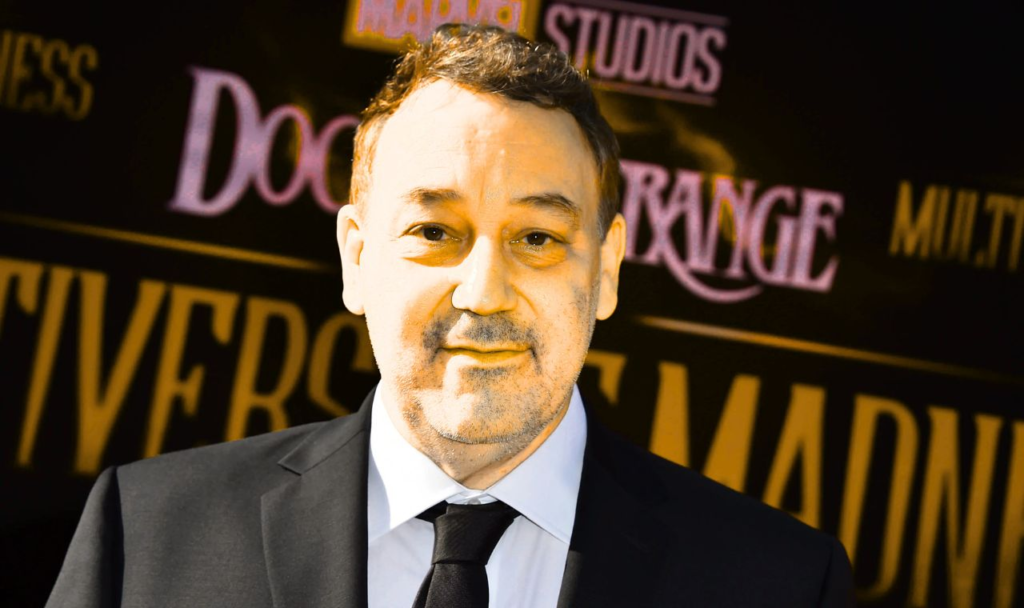
Raimi’s professional career began during his time at Michigan State University, where he formed Renaissance Pictures with Bruce Campbell and producer Robert Tapert. Their mission was simple but ambitious: to create a horror film that could shock audiences while showcasing their technical skill. A short film, Within the Woods, acted as a proof of concept, securing the funding necessary for Raimi’s first full-length feature.
The Evil Dead (1981)
Filmed in a remote Tennessee cabin, The Evil Dead became an instant cult classic. Raimi’s inventive “shaky cam” technique and practical effects gave the film a raw, immersive energy. Stephen King praised the film, helping it gain international recognition and establishing Raimi as a visionary director capable of turning modest resources into cinematic magic.
Splatstick Horror
Raimi pioneered the concept of “splatstick,” a hybrid of gore and slapstick humor. This unique approach, seen most prominently in Evil Dead II, allowed audiences to experience horror that was simultaneously terrifying and comedic—a style that has influenced countless filmmakers.
Core Milestones in Sam Raimi Early Career
Raimi’s early work laid the foundation for a versatile career spanning horror, action, and superhero genres. Below is a snapshot of his key projects:
| Year | Project Title | Role | Significance |
| 1981 | The Evil Dead | Director/Writer | Introduced splatstick and gained cult status |
| 1987 | Evil Dead II | Director/Writer | Refined kinetic style and comedic timing |
| 1990 | Darkman | Director/Writer | Entered superhero storytelling |
| 1992 | Army of Darkness | Director/Writer | Blended medieval fantasy with slapstick horror |
| 1995 | The Quick and the Dead | Director | Reimagined Westerns with comic-book flair |
| 1998 | A Simple Plan | Director | Mastered character-driven suspense drama |
Transition to Mainstream Cinema
By the 1990s, Raimi was no longer confined to horror. His versatility allowed him to explore westerns, thrillers, and superhero narratives, proving his ability to adapt while maintaining his distinct visual and comedic sensibility.
The Spider-Man Era
Raimi’s appointment as director of Spider-Man (2002) marked a turning point in Hollywood’s superhero landscape. Unlike previous adaptations, Raimi emphasized Peter Parker’s humanity—his struggles with love, responsibility, and identity—balancing blockbuster spectacle with intimate character moments.
Revolutionary Techniques
Raimi’s use of extreme close-ups, rapid zooms, and dynamic angles—techniques honed during The Evil Dead—made the action sequences thrilling and immersive. Practical stunts blended seamlessly with CGI, setting new standards for superhero filmmaking.
Global Impact
The Spider-Man trilogy became a cultural phenomenon, grossing billions worldwide and cementing Raimi’s reputation as a director who could handle large-scale projects while keeping his unique creative voice intact.
Return to Horror
After his superhero success, Raimi returned to his horror roots with Drag Me to Hell (2009), a spiritual successor to his earlier work. The film combined humor, gore, and suspense in a way only Raimi could achieve, proving that his mastery of horror-comedy remained unmatched.
Ghost House Pictures
Raimi’s production company has nurtured talent and produced numerous hits, including Don’t Breathe and The Grudge (2004 remake). His mentorship ensures that the “Raimi DNA” continues to influence modern horror cinema.
Modern Legacy
Even in the era of franchise dominance, Raimi returned to the MCU with Doctor Strange in the Multiverse of Madness (2022), infusing blockbuster storytelling with his signature energy, inventive camera work, and dark humor.
The Evolution of the “Raimi Style”
Raimi’s style is instantly recognizable, marked by inventive camera work, practical effects, and dynamic editing. Early innovations like “The Vas-O-Cam” allowed smooth tracking shots on a minimal budget. Later, whip-pans, fast cuts, and POV sequences brought his cinematic vision to life.
Technical Innovations
From POV shots to extreme close-ups, Raimi constantly experiments with visual storytelling. His maximalist approach to sound design amplifies every creak, squish, and groan, immersing audiences in his worlds of horror and action.
Impact on Modern Filmmaking
Film schools study the “Raimi-cam,” and directors across genres cite him as an inspiration. His combination of practical ingenuity and narrative inventiveness continues to influence both horror and superhero cinema.
Cultural Impact and Iconic Collaborations
Raimi’s work is defined by long-term partnerships, particularly with Bruce Campbell and composer Danny Elfman. Characters like Ash Williams from Evil Dead have become cultural icons, inspiring comic books, video games, and TV series. Raimi’s collaborative approach has left a lasting imprint on both film and television storytelling.
The Cult of Ash
Ash Williams evolved from a terrified survivor to a confident anti-hero, mirroring Raimi’s own growth. The character remains a fan favorite decades later, demonstrating Raimi’s skill at creating enduring, multifaceted characters.
Mentorship and Legacy
Through his production companies, Raimi nurtures emerging directors, fostering creativity and innovation in horror and fantasy cinema. His influence ensures the continuation of his unique cinematic DNA across generations.
Philosophical Themes in Raimi’s Films
Beyond gore and spectacle, Raimi’s films often explore the “everyman” thrust into extraordinary circumstances. Whether it’s Peter Parker, Ash Williams, or characters in A Simple Plan, his stories examine morality, heroism, and the consequences of power, providing emotional depth alongside visual excitement.
Balancing Horror and Humanity
Raimi’s protagonists are relatable and flawed, making their journeys compelling. The juxtaposition of ordinary individuals facing extraordinary threats gives his work enduring emotional resonance.
Universality of His Work
The universal themes of courage, resilience, and ingenuity allow Raimi’s films to transcend genre constraints, appealing to a broad spectrum of audiences.
Conclusion
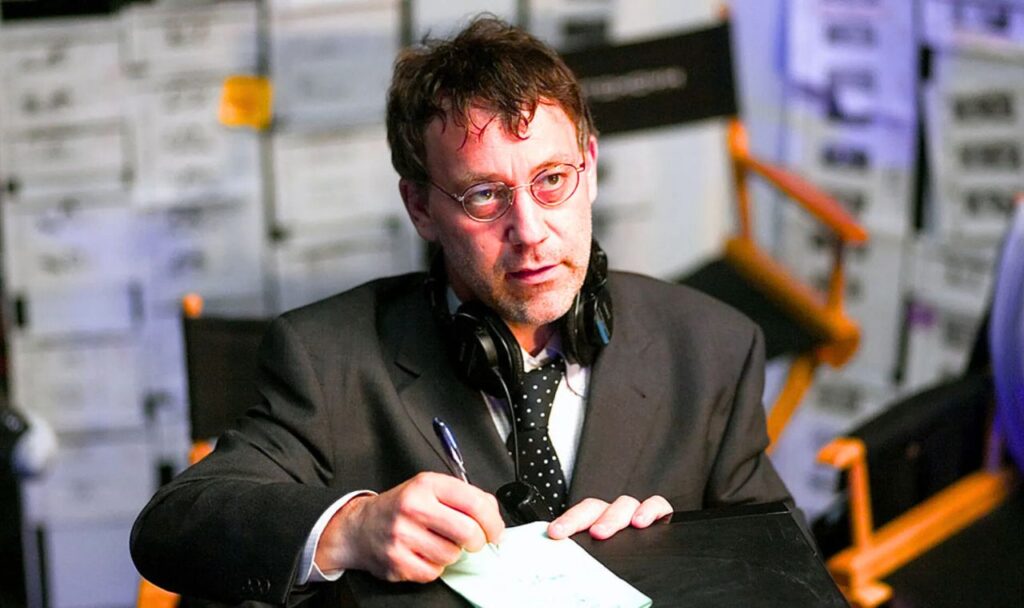
Sam Raimi is more than a director; he is an architect of imagination. His career bridges independent filmmaking and Hollywood blockbusters, blending horror, comedy, and superhero spectacle into a singular vision. By staying true to his unique sensibilities, Raimi has created films that entertain, inspire, and challenge audiences worldwide. From haunted cabins to multiverse adventures, his work continues to shape modern cinema.
FAQs
Q: What was Sam Raimi first professional film?
Sam Raimi first feature-length film was The Evil Dead (1981), based on his short Within the Woods.
Q: Did Sam Raimi direct all the original Spider-Man movies?
Yes, Raimi directed Spider-Man (2002), Spider-Man 2 (2004), and Spider-Man 3 (2007).
Q: What is “Splatstick”?
Splatstick combines horror (splatter) with physical comedy (slapstick), a style popularized by Raimi in Evil Dead II.
Q: Who is Sam Raimi most frequent collaborator?
Actor Bruce Campbell, featured in the Evil Dead series and cameoing in many Raimi films.
Q: Has Sam Raimi ever won an Academy Award?
Raimi hasn’t won an Oscar for directing, but Spider-Man 2 won the Academy Award for Best Visual Effects.
Q: What car appears in almost every Sam Raimi film?
1973 Oldsmobile Delta 88, nicknamed “The Classic,” appears in most of his films.
Q: What was Raimi’s role in the Marvel Cinematic Universe?
Raimi directed Doctor Strange in the Multiverse of Madness (2022), marking his return to Marvel.